
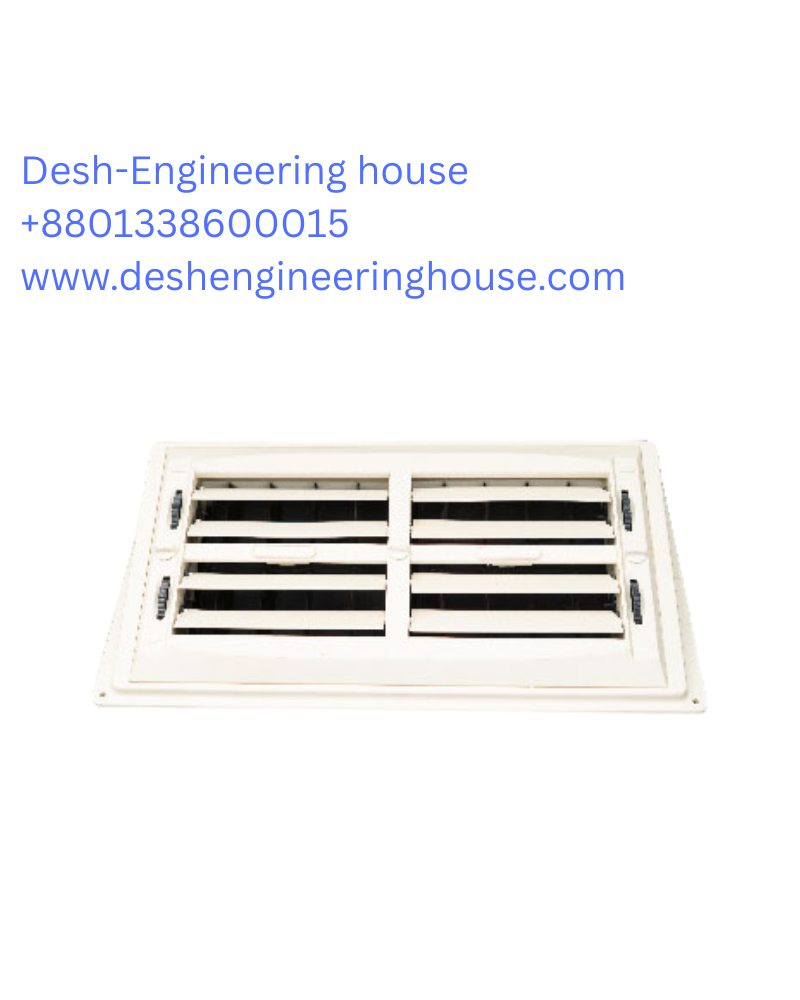
Description
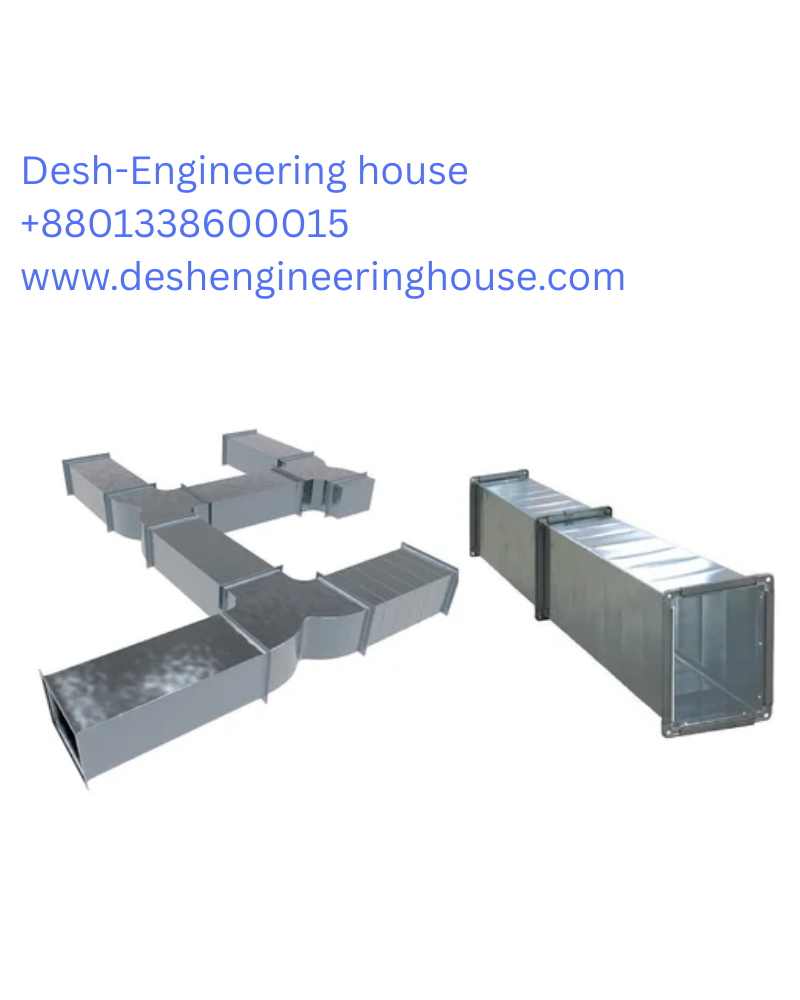
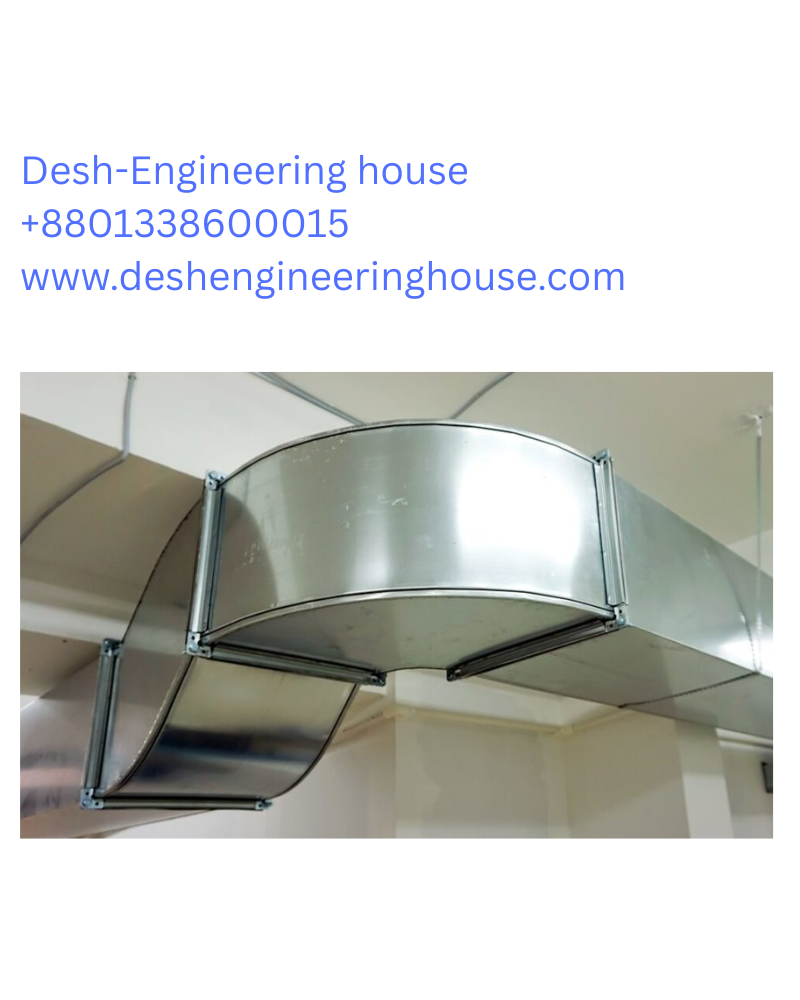
A duct system, also called ductwork, is a system of passageways in a building that is used to remove exhaust air or distribute heated or cooled air for an HVAC air distribution system (heating, ventilation, and air conditioning). For effective airflow, indoor air quality, and energy efficiency, these branching tubes—which are frequently composed of sheet metal, fiberglass, or flexible materials—bring “supply air” to rooms and return air to the HVAC unit. They need to be carefully designed and maintained.
How a Duct System Operates
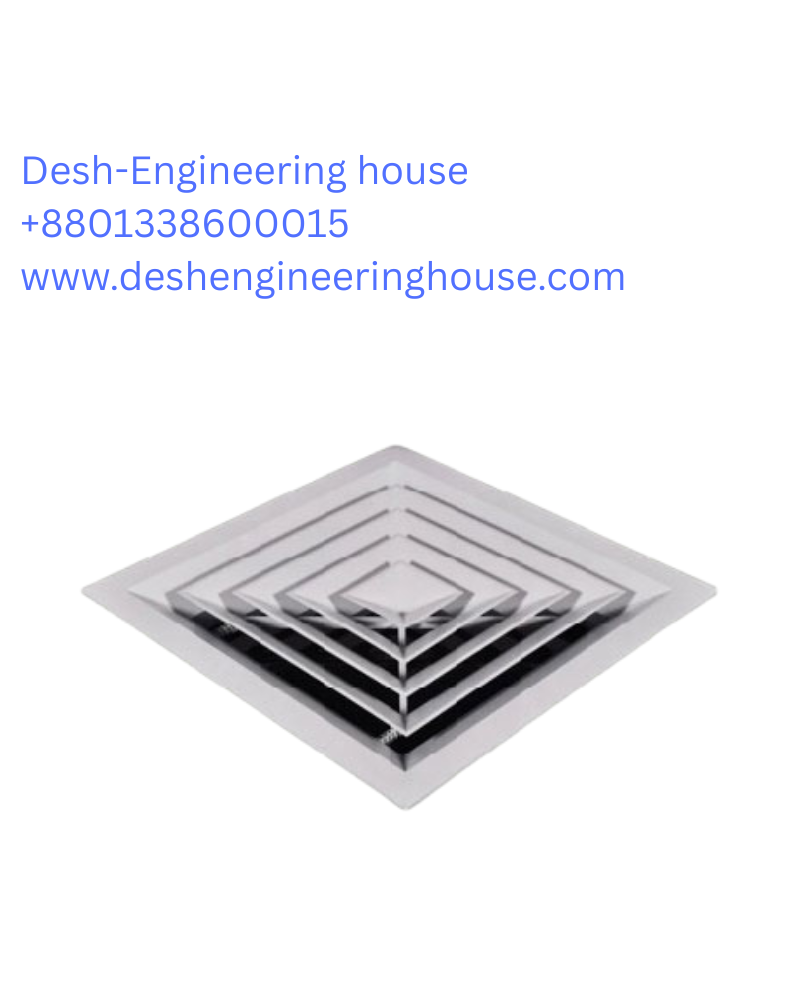
Supply Air: The HVAC unit’s heated or cooled air is delivered by the system to different rooms via supply ducts and registers.
Return Air: The system simultaneously pulls air from the interior of the structure via return ducts and sends it back to the HVAC units for processing.
Exhaust Air: In some situations, such as in a kitchen or industrial ventilation system, air can also be vented out of a building using a duct system.
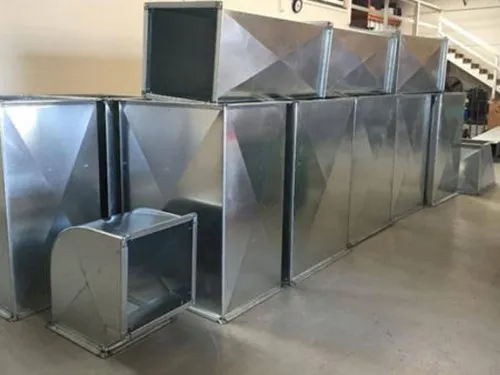
Materials: Sheet metal (such as galvanized steel), fiberglass board, and flexible plastic-and-wire composites are some of the materials that can be used to make ductwork.
Form: Round or rectangular ducts are frequently built.
Placement: These systems are usually concealed inside a building’s walls, floors, or ceilings.
Benefits and Significance
Comfort: Proper distribution of air conditioning is ensured by a well-designed and maintained duct system, which helps to maintain comfortable indoor temperatures.
Energy Efficiency: Insulating and sealing ducts helps keep heated or cooled air from escaping, which can drastically cut down on energy use and utility costs.
Indoor Air Quality: Duct systems help keep indoor air quality good by moving air around.
Considerations for Design and Maintenance
Effective Airflow: To guarantee effective airflow, the system should be built to reduce air resistance, or friction and turbulence.
Leak Prevention: Duct system leaks are a significant source of energy loss and can increase the workload of the HVAC system, resulting in increased expenses and decreased comfort.
The right air velocity is important because too slow air can accumulate contaminants, while too fast air can produce noise and excessive abrasion.
HVAC air distribution system – Efficient Airflow Solution for Heating, Ventilation, and Air Conditioning Systems
Ensure superior air distribution and indoor comfort with the HVAC air distribution system, a critical component of any heating, ventilation, and air conditioning system. Engineered for durability and precision, HVAC air distribution systems provide efficient airflow throughout residential, commercial, and industrial buildings — maintaining optimal temperature, humidity, and air quality.
Manufactured from high-grade galvanized steel, aluminum, or flexible materials, the HVAC air distribution system ensures long-lasting performance, minimal leakage, and maximum energy efficiency.
⚙️ Key Features
-
High Airflow Efficiency: Designed for smooth air movement and reduced resistance.
-
Durable Materials: Available in galvanized steel, aluminum, and flexible duct options.
-
Thermal Insulation: Helps maintain consistent air temperature and reduces energy loss.
-
Leak-Proof Sealing: Minimizes air leakage for better HVAC air distribution system performance.
-
Corrosion & Fire Resistant: Built to withstand industrial and environmental challenges.
-
Customizable Design: Available in various diameters, shapes, and lengths for different system layouts.
🏭 Applications
The HVAC air distribution system is ideal for:
-
Residential and commercial buildings
-
Industrial factories and warehouses
-
Hospitals and laboratories
-
Hotels, shopping malls, and office complexes
-
Clean rooms and data centers
🌬️ Benefits
-
Ensures even air distribution across all areas
-
Enhances indoor comfort and air quality
-
Reduces energy consumption and system load
-
Easy to install, clean, and maintain
-
Suitable for heating, cooling, and ventilation systems
Reviews
There are no reviews yet.